


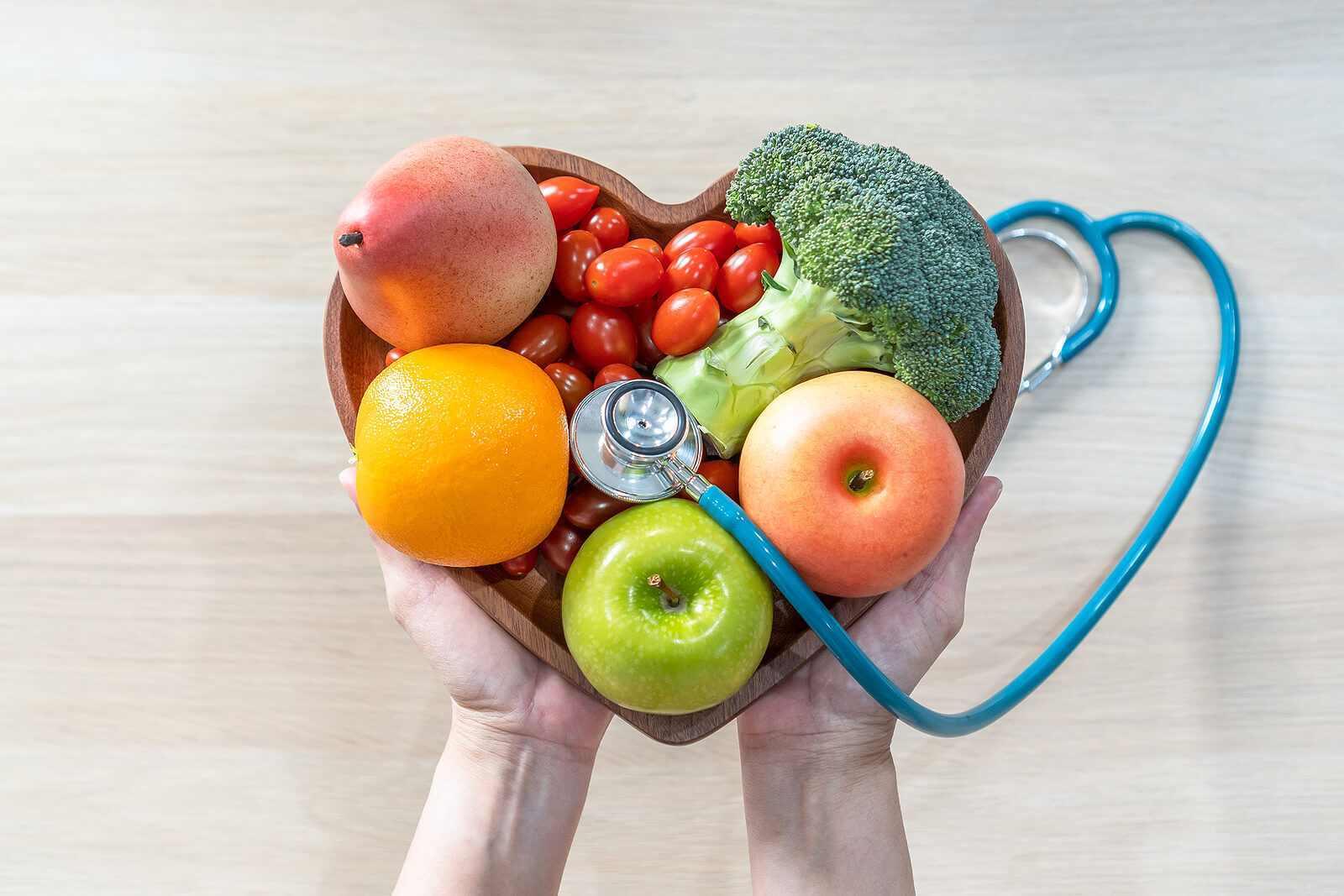
When it comes to achieving optimal cardiovascular fitness, exercise often takes center stage. However, the pivotal role of nutrition in supporting heart health cannot be overlooked. What we eat serves as the foundation for our body’s overall function, influencing everything from our energy levels to our ability to recover from workouts. In this article, we will explore the essential nutrients that contribute to cardiovascular fitness and how a heart-healthy diet can enhance your performance, endurance, and wellbeing. From heart-friendly foods to the best dietary practices, understanding the connection between nutrition and cardiovascular health is key to fueling your body right. Whether you’re an athlete or someone looking to improve their overall heart health, the insights shared here will help guide your nutritional choices on the path to a stronger, healthier heart.
Table of Contents
- Understanding the Role of Omega-3 Fatty Acids in Heart Health
- Choosing Whole Grains for Cardiovascular Support
- The Importance of Antioxidants in Your Diet
- Hydration: A Key Component for Optimal Heart Function
- The Conclusion
Understanding the Role of Omega-3 Fatty Acids in Heart Health
Omega-3 fatty acids, primarily found in fish oil, flaxseeds, and walnuts, are renowned for their heart-healthy benefits. These essential fats play a crucial role in reducing inflammation, lowering blood pressure, and improving overall cardiovascular function. Studies suggest that omega-3s help decrease triglyceride levels, a type of fat in the blood that can contribute to heart disease, while also enhancing the levels of good cholesterol (HDL). They support heart rhythm stability by regulating electrical activity in the heart, potentially reducing the risk of sudden cardiac events.
Incorporating omega-3 fatty acids into your diet can be simple and delicious. Consider including the following sources in your weekly meal plan:
- Fatty fish: Salmon, mackerel, sardines
- Seeds: Chia seeds, flaxseeds, hemp seeds
- Nuts: Walnuts, pecans
- Algal oil: A plant-based option for those who prefer not to consume fish
Below is a quick comparison of omega-3 sources:
| Source | Omega-3 Content (per 100g) |
|---|---|
| Salmon | 2260 mg |
| Chia Seeds | 17500 mg |
| Walnuts | 6542 mg |
| Flaxseeds | 22813 mg |
By understanding the importance of omega-3 fatty acids, you can make informed dietary choices that will not only support your heart health but also contribute to overall well-being.
Choosing Whole Grains for Cardiovascular Support
When it comes to maintaining a healthy heart, the incorporation of whole grains into your diet can make a significant difference. Whole grains are rich in essential nutrients and fiber, which not only help to lower cholesterol levels but also support healthy blood pressure. By choosing whole grains over refined grains, you’re selecting foods that offer greater heart-health benefits. Here are some top options to consider:
- Quinoa: Packed with protein and fiber, quinoa is a complete grain that offers all nine essential amino acids.
- Brown Rice: This whole grain is a great source of magnesium and potassium, both crucial for heart health.
- Oats: Oats are well-known for their cholesterol-lowering beta-glucans, making them a perfect breakfast choice.
- Barley: With its high fiber content, barley supports healthy digestion and reduces the risk of heart disease.
- Whole Wheat: Opting for whole wheat bread, pasta, and cereals can boost your intake of important vitamins and minerals.
To make informed choices when selecting whole grains, check product labels for whole grain content. Look for items that list whole grains as the first ingredient and contain minimal added sugars or unhealthy fats. Incorporating these varieties into your meals can offer delicious, nutritious options for heart health. Here’s a simple comparison of whole grains versus refined grains:
| Grain Type | Heart Health Benefits | Commonly Used In |
|---|---|---|
| Whole Grain | Lower cholesterol, improve blood pressure | Salads, bowls, baking |
| Refined Grain | Lower nutritional value, higher blood sugar | Bread, pastries, many processed foods |
The Importance of Antioxidants in Your Diet
Incorporating a variety of antioxidant-rich foods into your daily meals can significantly enhance your cardiovascular health. Antioxidants are compounds that neutralize free radicals, preventing oxidative stress that can damage cells and tissues. A diet rich in these protective nutrients can reduce inflammation, lower bad cholesterol levels, and thereby decrease the risk of heart disease. Key sources of antioxidants include:
- Berries: Blueberries, strawberries, and blackberries are packed with anthocyanins, which promote heart health.
- Nuts: Walnuts and almonds are excellent sources of vitamin E, another potent antioxidant.
- Dark chocolate: Rich in flavonoids, it can improve circulation and lower blood pressure.
- Leafy greens: Spinach and kale provide a wealth of vitamins A, C, and K.
To better understand the key nutrients and their benefits, consider the following table that outlines some common antioxidants, their sources, and their specific advantages for heart health:
| Antioxidant | Food Source | Heart Health Benefit |
|---|---|---|
| Vitamin C | Citrus fruits, bell peppers | Reduces blood pressure, enhances blood vessel function |
| Coenzyme Q10 | Fish, whole grains | Improves energy production in heart cells |
| Quercetin | Onions, apples | Helps reduce inflammation and oxidation in blood vessels |
Hydration: A Key Component for Optimal Heart Function
Staying adequately hydrated is crucial for maintaining optimal heart function. Water plays a vital role in supporting the body’s processes, including circulation, which directly impacts heart health. When your body is well-hydrated, blood volume remains stable, allowing for efficient transport of nutrients and oxygen to heart tissue. Dehydration, on the other hand, can lead to thicker blood, increased heart rate, and added strain on the cardiovascular system. To ensure your heart gets the hydration it needs, consider incorporating the following strategies:
- Drink water regularly: Aim for at least 8-10 cups of water daily, and adjust based on your activity level.
- Incorporate hydrating foods: Foods such as cucumbers, oranges, and lettuce contribute to your daily water intake.
- Monitor your hydration status: Check the color of your urine; pale yellow is a good sign of proper hydration.
Moreover, the electrolyte balance in the body is critical for heart health, as electrolytes help regulate heart function and fluid balance. Sodium, potassium, magnesium, and calcium work together to maintain a rhythmical heartbeat and proper muscle function. Including foods rich in these minerals can enhance your hydration efforts and further support your cardiovascular system. Here’s a quick reference table of some key electrolytes and their food sources:
| Electrolyte | Food Sources |
|---|---|
| Sodium | Table salt, celery, spinach |
| Potassium | Bananas, sweet potatoes, avocados |
| Magnesium | Nuts, seeds, whole grains |
| Calcium | Dairy products, broccoli, tofu |
The Conclusion
As we wrap up our exploration of essential nutrition for cardiovascular fitness, it’s clear that fueling your heart is not just about occasional healthy choices—it’s a lifestyle commitment. By incorporating heart-healthy foods rich in omega-3 fatty acids, fiber, antioxidants, and vital nutrients, you can significantly enhance your cardiovascular health and overall well-being. Remember, the path to a healthier heart starts from the inside out; what you put on your plate can make a world of difference in how your body functions.
Whether it’s swapping out refined grains for whole grains, adding more colorful fruits and vegetables to your meals, or opting for lean proteins, every small change contributes to a bigger picture of heart health. It’s also crucial to stay hydrated and to be mindful of portion sizes and cooking methods.
As you embark on this journey toward better heart health, keep in mind that moderation and balance are key. It’s about making consistent, sustainable choices that nourish your body and promote longevity. So, let’s commit to prioritizing our heart health one meal at a time, and remember: the heart is not just a vital organ, but a powerful symbol of life—let’s treat it with the care it deserves. Here’s to healthier hearts and happier lives!