


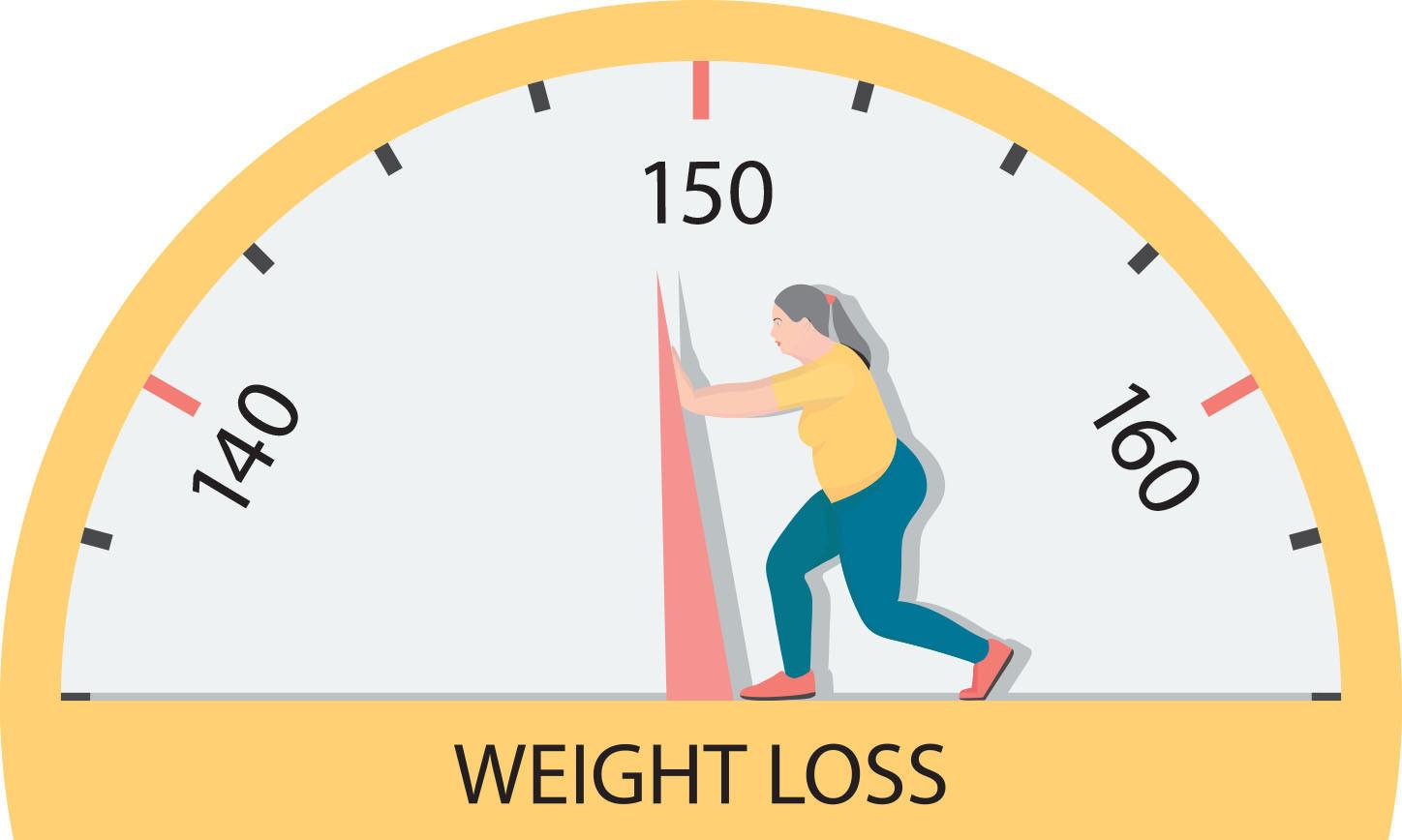
In a world inundated with weight loss fads, trendy diets, and endless fitness advice, the pursuit of a healthier body can often feel like navigating a complex maze. Each year, a new set of beliefs emerges, promising quick results and instant transformations, yet many of these claims are steeped in myth and misinformation. As we delve into the realm of weight loss, it’s essential to distinguish between fact and fiction. In this article, “,” we aim to shine a light on some of the most prevalent misconceptions surrounding weight management. By examining the truths behind these myths, we hope to empower readers with knowledge and clarity on their journey toward a healthier lifestyle. Buckle up as we embark on this eye-opening exploration, setting the record straight and providing a roadmap toward sustainable wellness.
Table of Contents
- Debunking the Caloric Conundrum: Understanding Energy Balance
- The Illusion of Quick Fixes: The Dangers of Fad Diets
- Nutritional Nuances: Why All Foods Can Fit in a Weight Loss Journey
- Exercise Misconceptions: Moving Beyond the Myth of Burning Off Calories
- In Retrospect
Debunking the Caloric Conundrum: Understanding Energy Balance
When it comes to weight loss, many people fall victim to the misleading idea that cutting calories indiscriminately is the only path to success. However, energy balance—the relationship between calories consumed and calories expended—is far more nuanced than a strict deficit. The human body operates on a complex biological system that factors in metabolic rate, muscle mass, and overall lifestyle. Rather than solely focusing on caloric intake, it’s vital to consider the quality of the food we choose. Nutrient-dense foods can support satiety and promote better overall health, making it easier to maintain a sustainable eating pattern.
In the quest for weight loss, misconceptions about metabolism also cloud our understanding of energy balance. While it’s true that some individuals naturally possess a faster metabolism, the impact of various factors—such as age, genetics, and physical activity—is critical. Weight loss isn’t just a numbers game; it also involves the body’s hormonal responses and how we utilize energy. To gain a clearer perspective, consider the following aspects of energy balance:
- Basal metabolic rate (BMR): The calories your body needs to maintain basic functions.
- Physical activity level (PAL): How much energy your daily activities and exercise expenditures consume.
- Thermic effect of food (TEF): The energy required to digest and process the food we eat.
| Element | Description |
|---|---|
| BMR | The minimum energy required for basic bodily functions at rest. |
| PAL | Reflects how active a person is on a daily basis. |
| TEF | Energy used to metabolize food, varying by food type. |
The Illusion of Quick Fixes: The Dangers of Fad Diets
The rise of fad diets often lures individuals into believing that weight loss can be achieved effortlessly. These diets, which boast rapid results, frequently ignore the fundamental principles of nutrition and overall well-being. Instead of promoting sustainable changes, they tend to focus on drastic calorie restrictions or the exclusion of entire food groups. This not only creates an unbalanced intake but can also lead to a cycle of quick fixes, where temporary success is overshadowed by the return of lost weight once normal eating resumes. The reality is that true health transformation requires commitment and consistency rather than a fleeting, restrictive plan.
Moreover, the dangers of these trendy diets extend beyond physical health. Many individuals experience psychological effects such as anxiety around food, guilt associated with “cheating,” and a distorted body image. This unhealthy relationship with food can perpetuate disordered eating patterns, leading to an ongoing struggle with weight and self-esteem. To compare the allure of these diets with their drawbacks, consider the following table:
| Fad Diet | Potential Risks |
|---|---|
| Ketogenic Diet | Nutritient deficiencies, increased cholesterol levels |
| Juice Cleanses | Muscle loss, energy crashes |
| Intermittent Fasting | Overeating, binge cycles |
Nutritional Nuances: Why All Foods Can Fit in a Weight Loss Journey
Understanding that *all foods can be incorporated into a weight loss journey* is pivotal to fostering a healthier relationship with eating. Rather than adhering to rigid dietary patterns, it’s essential to recognize the role of moderation and balance in achieving your goals. Emphasizing the importance of variety not only supports overall nutrient intake but also maintains psychological satisfaction. Some key principles include:
- Mindful Eating: Paying attention to hunger cues and savoring flavors can promote better digestion and enjoyment of food.
- Portion Control: Smaller portions of your favorite indulgences can prevent feelings of deprivation.
- Balanced Meals: Incorporating a mix of macronutrients helps stabilize energy levels and curb cravings.
When navigating your weight loss journey, it’s crucial to dispel the myth that certain foods are inherently “bad.” Each food contributes uniquely to your diet regardless of its calorie count. For example, consider the following breakdown of common foods and their potential benefits:
| Food | Caloric Value (per serving) | Benefit |
|---|---|---|
| Dark Chocolate | 170 | Rich in antioxidants; promotes heart health. |
| Avocado | 160 | High in healthy fats; boosts satiety. |
| Granola | 200 | Provides sustained energy; rich in fiber. |
Exercise Misconceptions: Moving Beyond the Myth of Burning Off Calories
The common belief that you can simply “burn off” calories through exercise is rooted in a simplistic understanding of weight loss. In reality, weight management is a complex interplay of various factors, including metabolism, dietary habits, and overall lifestyle. While physical activity definitely contributes to calorie expenditure, it does not operate in isolation. Many people mistakenly assume that a vigorous workout allows them to indulge in higher caloric intake, erroneously thinking that they can erase their dietary indiscretions through exercise.
Furthermore, the focus on calorie burning can overshadow the myriad benefits that exercise brings beyond weight loss. Regular physical activity is essential for enhancing muscle strength, improving cardiovascular health, and boosting mental well-being. Here are some key aspects to consider about exercise:
- Building Muscle: Muscle tissue burns more calories at rest than fat, which means strength training can enhance metabolism over time.
- Improving Mood: Exercise releases endorphins, contributing to better mental health and emotional stability.
- Longevity Benefits: Engaging in consistent physical activity correlates with a lower risk of chronic diseases.
In Retrospect
In the dynamic world of weight loss, where trends come and go like the seasons, separating fact from fiction is more crucial than ever. As we’ve journeyed through the tangled web of common weight loss myths, it becomes evident that misinformation can lead us astray, often with frustrating consequences. By arming ourselves with knowledge and a critical mind, we can challenge these misconceptions and pave a more informed path toward our health and wellness goals.
Remember, the journey to a healthier self is not a race but a thoughtful exploration. Embrace sustainable habits, listen to your body, and trust the science behind nutrition and exercise. As we close this chapter on myths, let’s carry forward the resolve to seek the truth—because clarity is the first step to genuine change. Here’s to informed choices, enduring goals, and the pursuit of well-being without the weight of deceit.