


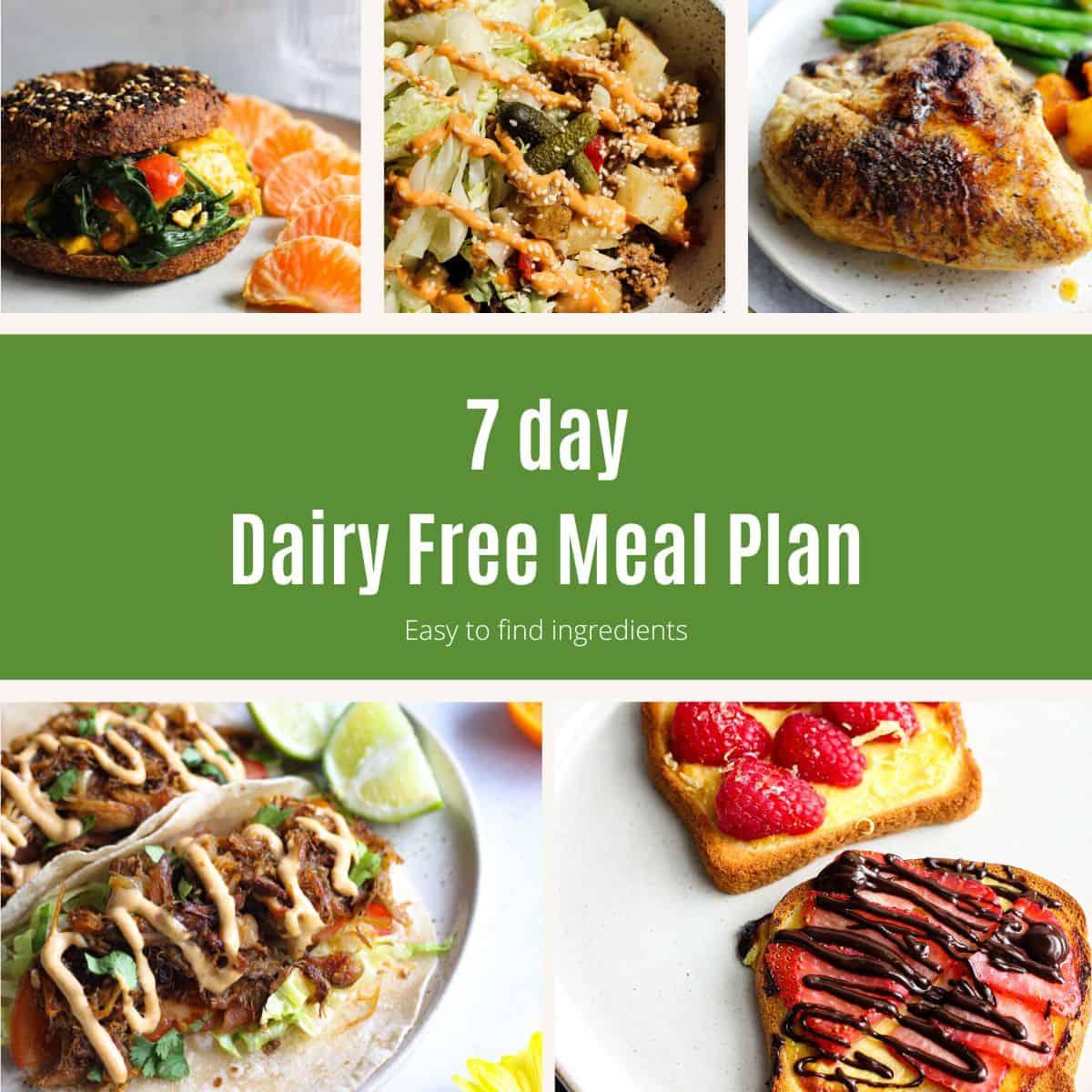
In a world increasingly attuned to dietary preferences and health concerns, the transition to a dairy-free diet is gaining momentum—captivating the attention of health enthusiasts, environmental advocates, and those with lactose sensitivities alike. As more individuals seek to navigate the labyrinth of nutritional choices, the appeal of dairy-free living unfolds, promising potential benefits ranging from improved digestion to a lighter ecological footprint. However, beneath the surface of this dietary shift lies a landscape dotted with challenges, such as navigating nutritional needs and finding suitable alternatives. In this exploration, we will delve into the myriad benefits that a dairy-free lifestyle can offer, while also shedding light on the obstacles that may arise along the way. Join us as we embark on a journey to uncover the complexities of embracing a life without dairy, weighing the pros and cons with clarity and depth.
Table of Contents
- Understanding the Nutritional Landscape of Dairy Alternatives
- Assessing the Impact on Digestive Health and Wellness
- Navigating Social Situations: Strategies for Dining Dairy-Free
- Sustaining a Balanced Diet: Tips for Planning Dairy-Free Meals
- To Wrap It Up
Understanding the Nutritional Landscape of Dairy Alternatives
The rise of dairy alternatives has opened up a new world of nutritional choices, appealing not only to those with lactose intolerance but also to health-conscious consumers and those seeking sustainable food options. Plant-based milks, such as almond, soy, oat, and coconut, offer a variety of flavor profiles and nutritional benefits, each with their own unique composition. For instance, while almond milk is low in calories and rich in vitamin E, soy milk is a great source of protein, closely resembling cow’s milk in its amino acid profile. Additionally, some versions are fortified with essential nutrients, such as calcium and vitamin B12, making them viable substitutes for traditional dairy products.
However, navigating the vast array of dairy alternatives can be perplexing, primarily due to the variability in nutritional content among different brands and types. Consumers should be mindful of added sugars, stabilizers, and flavorings, which can alter the health benefits of these alternatives. To assist in making informed choices, here’s a simplified comparison of popular dairy alternatives:
| Type | Calories (per cup) | Protein (g) | Calcium (mg) |
|---|---|---|---|
| Almond Milk | 30 | 1 | 500 (fortified) |
| Soy Milk | 100 | 8 | 300 (fortified) |
| Coconut Milk | 45 | 0.5 | 0 (not fortified) |
| Oat Milk | 120 | 3 | 350 (fortified) |
Each option presents its own set of advantages and drawbacks, and the ideal choice largely depends on personal dietary goals and preferences. As consumers delve deeper into the nutritional landscape of dairy alternatives, maintaining a balanced intake of nutrients becomes crucial to ensure a well-rounded and healthful dairy-free diet.
Assessing the Impact on Digestive Health and Wellness
Adopting a dairy-free diet can lead to significant changes in digestive health, especially for those who are lactose intolerant or sensitive to dairy products. Many individuals report improvements in symptoms such as bloating, gas, and irregular bowel movements after eliminating dairy. This shift can foster a more balanced gut microbiome, as various plant-based alternatives—like almond, soy, and coconut milk—are often enriched with probiotics and prebiotics. By incorporating a variety of these alternatives, individuals can enhance nutrient absorption and promote overall digestive wellness.
However, the transition to a dairy-free lifestyle may also present challenges. For some, the absence of dairy can lead to a reduction in essential nutrients, particularly calcium and vitamin D, which are vital for bone health. To combat these potential deficiencies, it is important to actively seek out dairy substitutes that are fortified with these nutrients or to diversify your diet with other calcium-rich foods, such as leafy greens, tofu, and fortified plant-based yogurts. Here’s a simple breakdown of some alternatives to consider:
| Dairy Product | Dairy-Free Alternative |
|---|---|
| Milk | Almond Milk |
| Cheese | Coconut Yogurt |
| Yogurt | Cashew Cheese |
| Butter | Olive Oil |
Navigating Social Situations: Strategies for Dining Dairy-Free
Dining out while adhering to a dairy-free lifestyle can be an enjoyable experience with the right strategies in place. First and foremost, prior research is key. Look up the menu online before heading to the restaurant to scout out dairy-free options. Don’t hesitate to call ahead and ask about accommodations—they might have secret menu items or substitutions available. When ordering, consider choosing dishes that are naturally dairy-free, such as those based on proteins and vegetables rather than creamy pastas or cheese-laden appetizers.
Another effective strategy is to communicate your dietary needs clearly. When you arrive at the restaurant, inform your server about your dairy restriction and ask for suggestions based on your preferences. This not only helps ensure that your meal is safe to eat but often prompts the staff to go the extra mile in catering to your needs. Here are some quick tips to enhance your dining experience:
- Familiarize yourself with dairy-free substitutes, such as almond or coconut milk.
- Be mindful of hidden dairy ingredients like butter in cooking or sauces.
- Share your experiences with friends, as they may offer valuable insights into dairy-friendly places.
| Common Dairy Alternatives | Use In |
|---|---|
| Almond Milk | Coffee, Smoothies |
| Coconut Yogurt | Breakfast Bowls, Baking |
| Cashew Cheese | Pasta, Sauces |
Sustaining a Balanced Diet: Tips for Planning Dairy-Free Meals
Planning dairy-free meals can be both exciting and rewarding, as it opens the door to a myriad of nutritious alternatives. Start by focusing on a variety of plant-based foods, which can provide essential nutrients without the presence of dairy. Incorporate fruits, vegetables, whole grains, legumes, and nuts into your meals. Here are a few tips to keep in mind:
- Always read labels carefully to identify hidden dairy ingredients.
- Experiment with dairy substitutes like almond milk, coconut yogurt, or cashew cheese.
- Use herbs and spices to enhance flavor in meals that might traditionally rely on cheese or cream.
Additionally, ensure that you’re getting adequate calcium and vitamin D from non-dairy sources. This could include leafy greens, tofu, fortified plant milks, or chia seeds. Here’s a simple guide to help you choose your dairy-free alternatives effectively:
| Dairy Item | Dairy-Free Alternative |
|---|---|
| Milk | Almond Milk |
| Yogurt | Coconut Yogurt |
| Cheese | Cashew Cheese |
To Wrap It Up
embarking on a dairy-free diet can be a transformative journey, offering a myriad of potential benefits for both body and mind. From improved digestion and increased energy levels to the ethical and environmental factors that may resonate with many, the reasons to explore this dietary path are compelling. However, as with any significant lifestyle change, it is essential to navigate the challenges—be it nutrient deficiencies or social dynamics—mindfully and strategically.
As you weigh the options, remember that each individual’s experience is unique, and what works for one may not suit another. Embracing a dairy-free lifestyle can be as much about personal discovery as it is about dietary choices. Whether you’re motivated by health, ethics, or simply curiosity, approaching this transition with an open mind and a willingness to adapt can lead to rewarding discoveries. So, whether you choose to dive headfirst into dairy-free recipes or sample intermittently, may your exploration be enriching, enlightening, and ultimately delicious.