


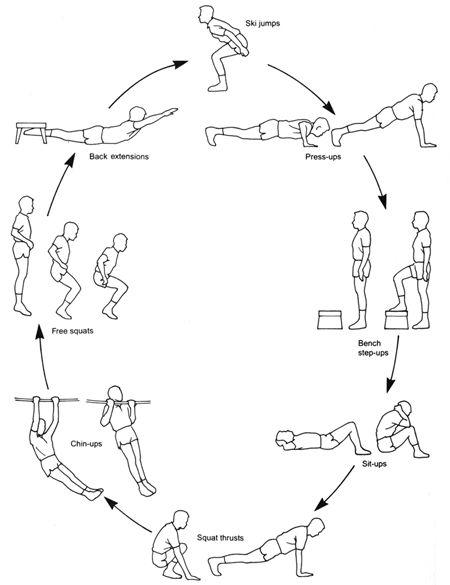
Circuit training has gained popularity as an effective workout methodology that combines strength and cardiovascular training into a single, time-efficient session. This fitness approach involves completing a series of exercise stations in succession, allowing participants to engage various muscle groups while maintaining an elevated heart rate. As individuals and fitness enthusiasts alike seek diverse ways to improve their overall health and physical performance, understanding the fundamental principles of circuit training becomes essential. This article provides a comprehensive overview of circuit training workouts, exploring their benefits, various techniques, and practical considerations for individuals at different fitness levels. Whether aimed at weight loss, muscle building, or general fitness improvement, circuit training offers a versatile solution tailored to meet the needs of a wide range of exercisers.
Table of Contents
- Benefits of Circuit Training Workouts for Overall Fitness
- Key Techniques for Effective Circuit Training Sessions
- Customization of Circuit Training Workouts for Individual Goals
- Injury Prevention and Safety Considerations in Circuit Training
- Future Outlook
Benefits of Circuit Training Workouts for Overall Fitness
Circuit training workouts offer a dynamic and effective approach to enhancing overall fitness levels. By combining strength training and cardiovascular exercises in a continuous format, participants experience improved endurance, increased strength, and better metabolic efficiency. This blend of high-intensity exercises targets multiple muscle groups, leading to faster calorie burn and a more pronounced afterburn effect, which means your body continues to burn calories even after the workout has ended. The versatility of circuit training allows individuals to tailor workouts to their specific fitness goals, whether it’s building muscle, losing weight, or improving cardiovascular health.
Another significant advantage of circuit training is its ability to maximize workout efficiency. In a limited timeframe, participants can accomplish a comprehensive workout that incorporates a variety of movements and fitness elements. This type of training also promotes engagement and reduces the risk of boredom, as individuals often switch between different exercises with minimal downtime. Additionally, circuit training can be easily adapted to accommodate various fitness levels, ensuring that everyone—from beginners to advanced athletes—can partake in a challenging yet enjoyable workout. Key benefits include:
- Enhanced muscular endurance through continuous movement.
- Time efficiency suitable for busy lifestyles.
- Flexibility allowing for customization of workouts.
- Improved heart health via elevated heart rate.
- Increased motivation through a varied exercise routine.
Key Techniques for Effective Circuit Training Sessions
To maximize the effectiveness of circuit training sessions, integrating a variety of techniques is essential. Consider using super sets, which involve performing two exercises back-to-back without resting in between. This not only saves time but also elevates heart rate, maximizing calorie burn. Additionally, timed intervals can be an efficient way to keep participants focused and engaged; alternating between intense bursts of activity and brief recovery periods enhances endurance and strength. Incorporating dynamic warm-ups before circuits can prepare the body, reducing the risk of injury and improving performance.
Another effective approach is to modify exercises for different fitness levels, ensuring that all participants feel challenged yet capable. Progressive overload is key; gradually increasing the intensity or duration of exercises keeps the body adapting and improves overall fitness. Utilizing equipment variety, such as kettlebells, resistance bands, and medicine balls, can also make workouts more engaging and fun. Consider implementing the following table to illustrate a sample circuit training session layout that includes exercise, duration, and rest for clarity:
| Exercise | Duration | Rest |
|---|---|---|
| Jumping Jacks | 30 seconds | 15 seconds |
| Push-Ups | 30 seconds | 15 seconds |
| Bodyweight Squats | 30 seconds | 15 seconds |
| Mountain Climbers | 30 seconds | 15 seconds |
| Plank | 30 seconds | 15 seconds |
Customization of Circuit Training Workouts for Individual Goals
Customization is key to maximizing the effectiveness of circuit training workouts, allowing individuals to tailor exercises to meet their specific fitness goals. Whether the aim is to build strength, improve cardiovascular endurance, or enhance flexibility, adjusting workout components can facilitate progress. Key considerations include:
- Exercise Selection: Choose exercises that target desired muscle groups or fitness components.
- Intensity Level: Adjust weights, resistance, or speed to match one’s current fitness level.
- Duration and Rest Intervals: Modify the time spent on each station and the rest periods to align with goals, such as increased endurance or muscle hypertrophy.
Moreover, incorporating various modalities into a circuit can keep workouts engaging and less monotonous. This can involve blending strength training with functional movements, high-intensity interval training (HIIT), or even yoga for flexibility. An example of a customized circuit workout could include:
| Exercise | Repetitions/Duration | Rest |
|---|---|---|
| Squats | 15 reps | 30 seconds |
| Push-Ups | 10 reps | 30 seconds |
| Plank | 30 seconds | 30 seconds |
| Burpees | 10 reps | 30 seconds |
Injury Prevention and Safety Considerations in Circuit Training
Circuit training offers numerous benefits, but it is essential to approach it with an awareness of injury prevention and safety considerations. To minimize the risk of injury, individuals should prioritize proper form and technique throughout each exercise. Incorporating the following practices can help ensure a safe workout experience:
- Warm-up: Engage in dynamic stretching or light cardio for at least 5-10 minutes prior to starting the circuit.
- Progressive overload: Gradually increase weights or intensity to avoid undue stress on joints and muscles.
- Listen to your body: Pay attention to any signs of pain or discomfort and modify the workout as necessary.
- Rest intervals: Allow adequate recovery time between sets and circuits to prevent fatigue-related injuries.
Proper hydration and nutrition also play a critical role in maintaining safety during circuit training. Below is a simple table providing guidelines for fluid intake and nutritional considerations:
| Hydration Tips | Nutritional Considerations |
|---|---|
| Drink water before, during, and after workout sessions. | Consume a balanced meal or snack containing protein and carbohydrates post-workout. |
| Aim for at least 8 ounces of water 30 minutes before training. | Incorporate fruits and vegetables for essential vitamins and minerals. |
Future Outlook
circuit training workouts offer a versatile and efficient approach to physical fitness, catering to a variety of fitness levels and goals. By combining cardiovascular and strength training elements, participants benefit from improved endurance, increased strength, and enhanced calorie burn. The structured format of circuit workouts provides the opportunity to target multiple muscle groups while minimizing workout time. With various techniques and modifications available, individuals can tailor their circuits to meet specific needs and preferences, promoting sustained engagement and motivation. As you consider incorporating circuit training into your routine, it is essential to assess your fitness level and consult with a professional if necessary to maximize benefits and ensure safety. Ultimately, circuit training can serve as a valuable addition to your fitness regimen, helping to achieve desired health outcomes efficiently and effectively.